"The homeowners who share their budget honestly on day one are the ones who end up happiest with the final result because everything we design from that point forward is actually achievable."


Your first meeting with an interior designer sets the tone for everything that follows. Homeowners who walk in prepared, even with rough notes, not polished plans — tend to get faster quotes, clearer timelines, and designs that actually match how they live. At Entrust, we've sat through hundreds of first consultations across Bangalore, and the ones that go smoothly almost always share the same handful of things in common. Here's what we recommend preparing before that first meeting.
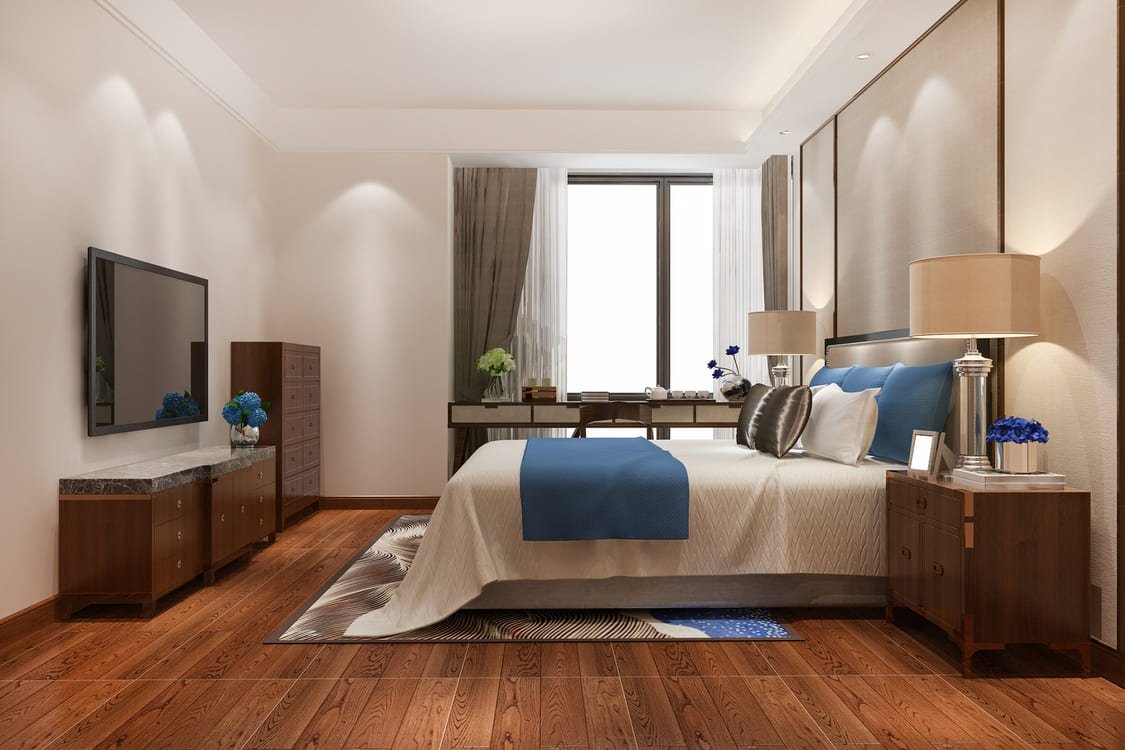
You don't need a professionally curated Pinterest board. A handful of saved images a kitchen you liked, a colour palette that felt right, even a hotel lobby that stuck with you —gives your designer something concrete to react to. Vague descriptions like "modern but cozy" are far harder to design from than five images that show what "modern but cozy" actually looks like to you.

Every home has a handful of must-haves that aren't up for compromise maybe it's a walk-in wardrobe, a home office nook, or simply "no open shelving in the kitchen." Write these down before your meeting. It saves both you and your designer from proposing (and later unproposing) ideas that were never going to work for your household.
If you have your builder's floor plan or a RERA carpet area document, bring it. If not, even rough measurements taken with a tape measure are useful. Designers can work without exact numbers, but early estimates and layout suggestions will be far more accurate with real dimensions in hand, saving you a second round of revisions later.

"The homeowners who share their budget honestly on day one are the ones who end up happiest with the final result because everything we design from that point forward is actually achievable."
Entrust Design Team
This is often the hardest thing for homeowners to share upfront, but it's also the single most useful piece of information you can bring. A defined range even a wide one, lets your designer propose materials, layouts, and finishes that are actually within reach, rather than presenting a dream scheme that has to be scaled back later. Budget conversations aren't awkward for designers; vague budgets that surface only after concepts are built out are the real problem.
Are you designing before possession, or already living in the space mid-renovation? Is there a deadline for a wedding, a move-in date, or a festival you want the home ready for? Timeline constraints shape everything from material lead times to whether certain custom work is even feasible. Share this early rather than discovering a mismatch three weeks into the project.
If you're renovating an existing home rather than designing a bare-shell flat, photos of each room, including the parts you don't love, help your designer understand what's already there structurally: electrical points, plumbing lines, window placements, load-bearing walls. This is especially useful if the first consultation happens before an on-site visit.